Why three-way consistency matters
A Joyagoo spreadsheet row normally offers at least three clues: a saved title, a thumbnail and a destination link. Those clues can make discovery fast, but none is independently strong enough to confirm the current listing. Titles are shortened, images are reused and links can redirect after a seller edits or replaces a page. The safest shortlist rule is simple: all three clues must still describe the same product family, and the live destination must contain the option the buyer intends to order.
This is an identity check, not a quality review. Agreement does not prove authenticity, workmanship, inventory or seller reliability. It proves only that the discovery record still leads to a page that appears to represent the same item. That narrower conclusion is useful: it stops a buyer from spending time comparing measurements, colors or QC requests for a listing that already fails at the first factual gate.
Start with the title's product meaning
Read the saved title as a description of product type, model or defining feature, not as an exact string that must survive translation. Remove promotional phrases and isolate the nouns and attributes that make the item distinct: jacket rather than shirt, zip closure rather than pullover, low-top rather than boot, single unit rather than set. Then read the destination title and option labels. A harmless wording change can still match; a change in product class cannot.
Mark the result as match, partial or conflict. Match means the essential product meaning agrees. Partial means the page may be related but omits a decisive feature or mixes several products. Conflict means the destination title describes a different item. Do not let a familiar brand word or seller name outweigh a product-class conflict. A spreadsheet needs the exact transaction candidate, not merely another page from the same shop.
Use the thumbnail as a locator, not proof
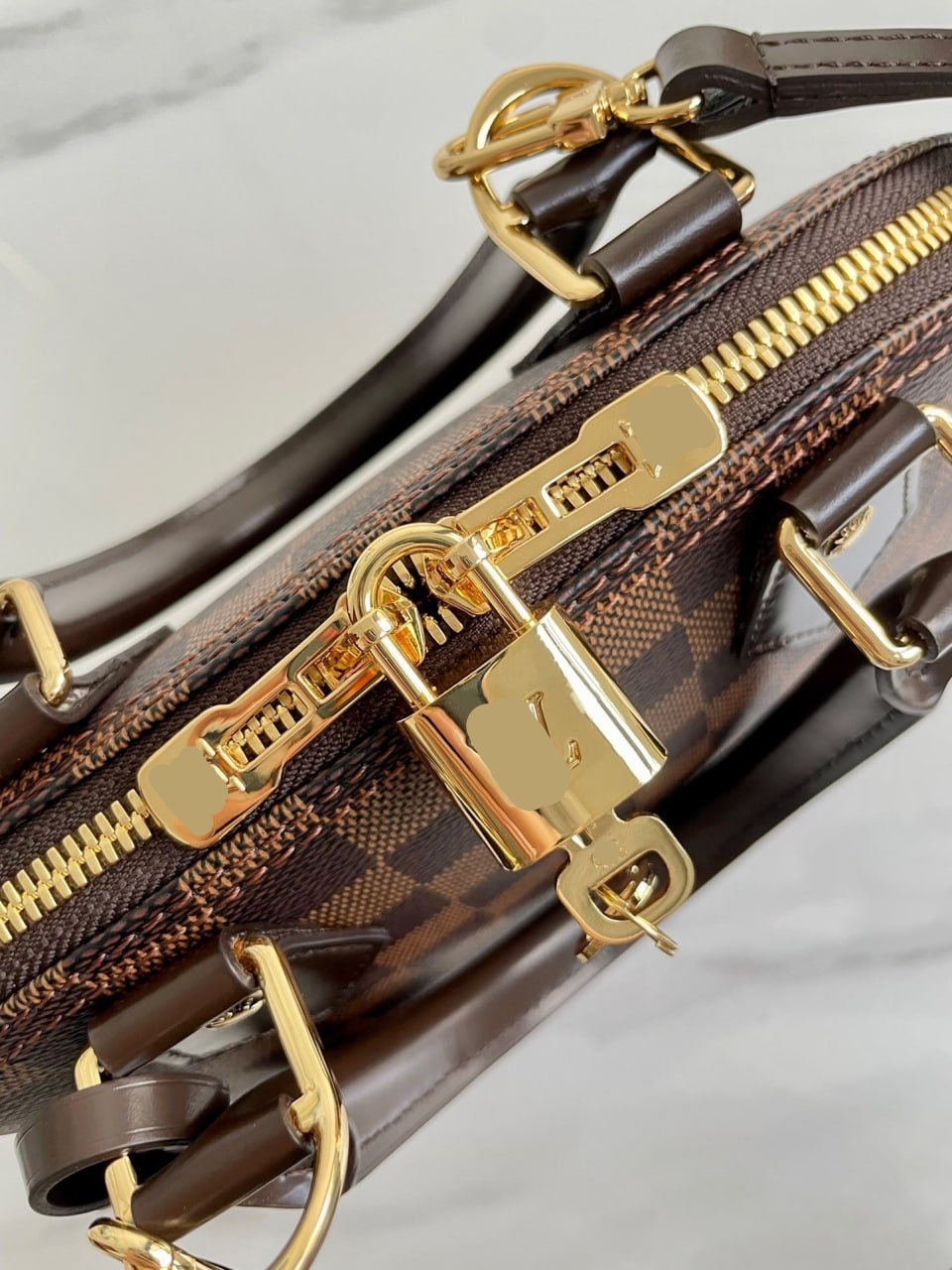
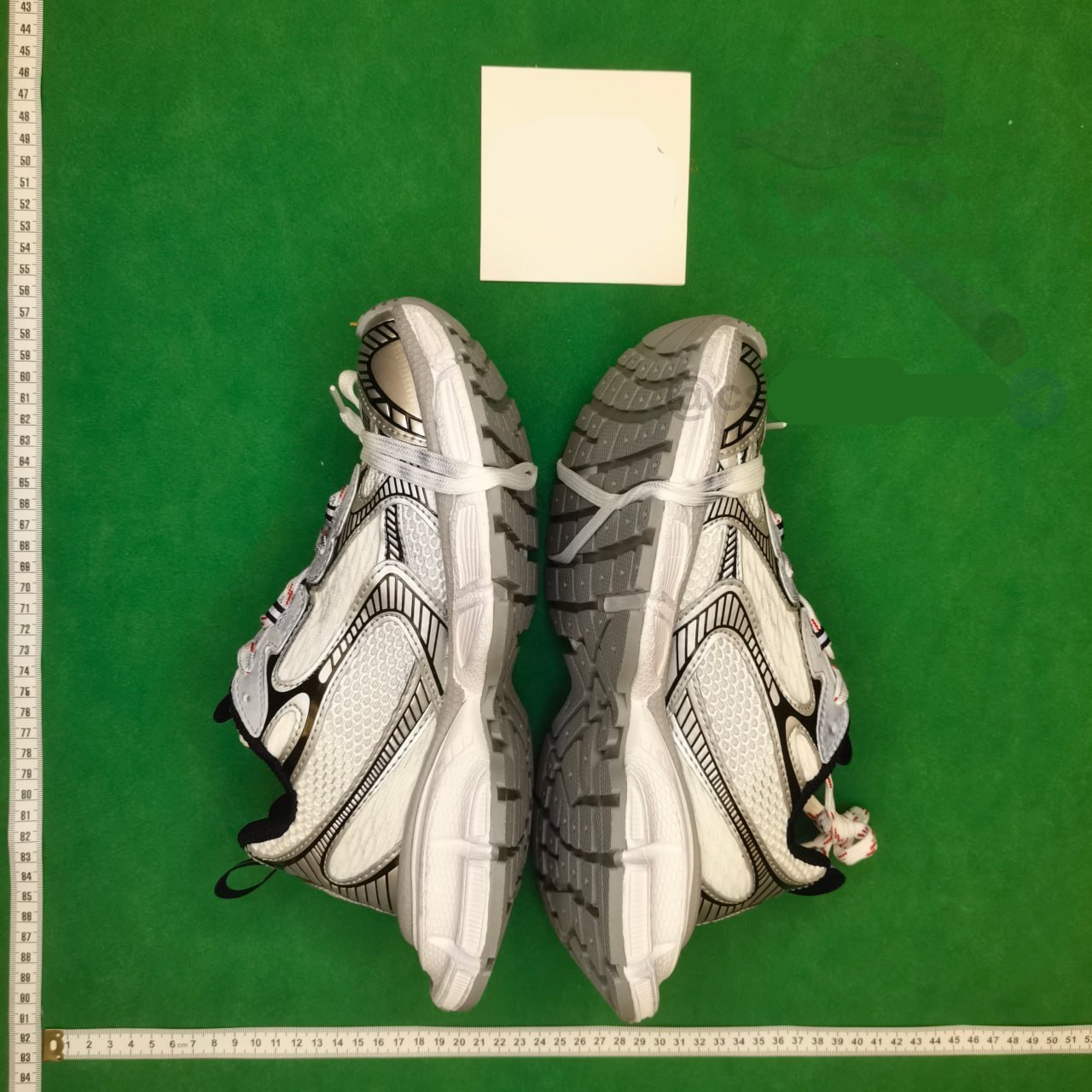
Compare the saved thumbnail with the destination's main image and the image attached to the intended option. Look for silhouette, closure, panel layout, color blocking, included pieces and other stable visual features. A crop, background or model can change without breaking identity. A different sole shape, pocket layout, number of pieces or accessory set is more serious because it can indicate that the row now reaches another product or option.
Never treat a visual match as proof of authenticity or condition. Sellers can reuse catalog images, and a thumbnail may show only the most attractive option. Its job is to help detect obvious inconsistency. If the title and product ID disagree while the image looks similar, the disagreement wins. Save the image comparison as supporting evidence, then rely on the live option text and order summary for the purchase instruction.
Follow the link to its final destination
Open the row in a clean session when possible and record both the input address and the final address after redirects. A network success only proves that something loaded. Check whether the final page is a product detail, a search result, a shop home, a login wall or an unrelated item. Compare the marketplace, seller context and product identifier with the values already saved in the row.
If the destination cannot be evaluated, label it unavailable rather than matched. If it resolves to a generic page, the row has lost its precise buying target even if the page is technically live. A redirect to a replacement listing must be reviewed as a new candidate with its own title, thumbnail, identifier, options and check date. Do not inherit the old row's confidence automatically.
Check the selected option, not only the default view
A destination may represent the correct product family while the intended color, size, version or quantity has disappeared. Select the planned option and watch whether the image, title fragment, displayed price or stock message changes. Joyagoo's current shopping guidance instructs buyers to choose color, size and quantity before adding or paying, so the consistency review must reach that same option level rather than stopping at the page header.
Copy the exact visible option text into the shortlist. Avoid translating or normalizing it until the original has been saved, because two similar labels may refer to different versions. When an option changes the image to a visibly different product, record that relationship. If the required choice is missing or ambiguous, the listing is partial, not ready, regardless of how well the default thumbnail matches.
Use a contradiction ledger
Create four columns: field, index evidence, destination evidence and decision. Enter product type, title meaning, thumbnail features, product ID, seller context and intended option. Agreement can be marked confirmed for identity; a missing value stays open; a genuine conflict receives a stop flag. Add the check date and final URL so another editor or buyer can reproduce the result instead of relying on memory.
Contradictions should be written literally. 'Index says two-piece set; destination title and option show one bag' is useful. 'Looks wrong' is not. Do not invent the cause: the seller may have edited a page, the index may be stale or the redirect may be faulty. The ledger's purpose is to locate the difference and decide whether the row can proceed, not to accuse a party without evidence.
Apply a shortlisting decision tree
Proceed when title meaning, destination identity and the required option agree, while the thumbnail contains no material contradiction. Ask for review when exactly one noncritical field is unclear and the final page remains stable. Suspend the row when the destination cannot be evaluated or redirects inconsistently. Remove it from active discovery when the final page is a different product, the controlling identifier conflicts or the intended option no longer exists.
This decision tree prevents weak records from competing with well-documented candidates. It also avoids unsupported 'best product' rankings. A row can be more decision-ready because its evidence is complete without claiming that its product is better made. When two candidates both pass, compare their listing details in a separate worksheet; do not turn the consistency check into a price, seller or quality verdict.
Work through a concrete example
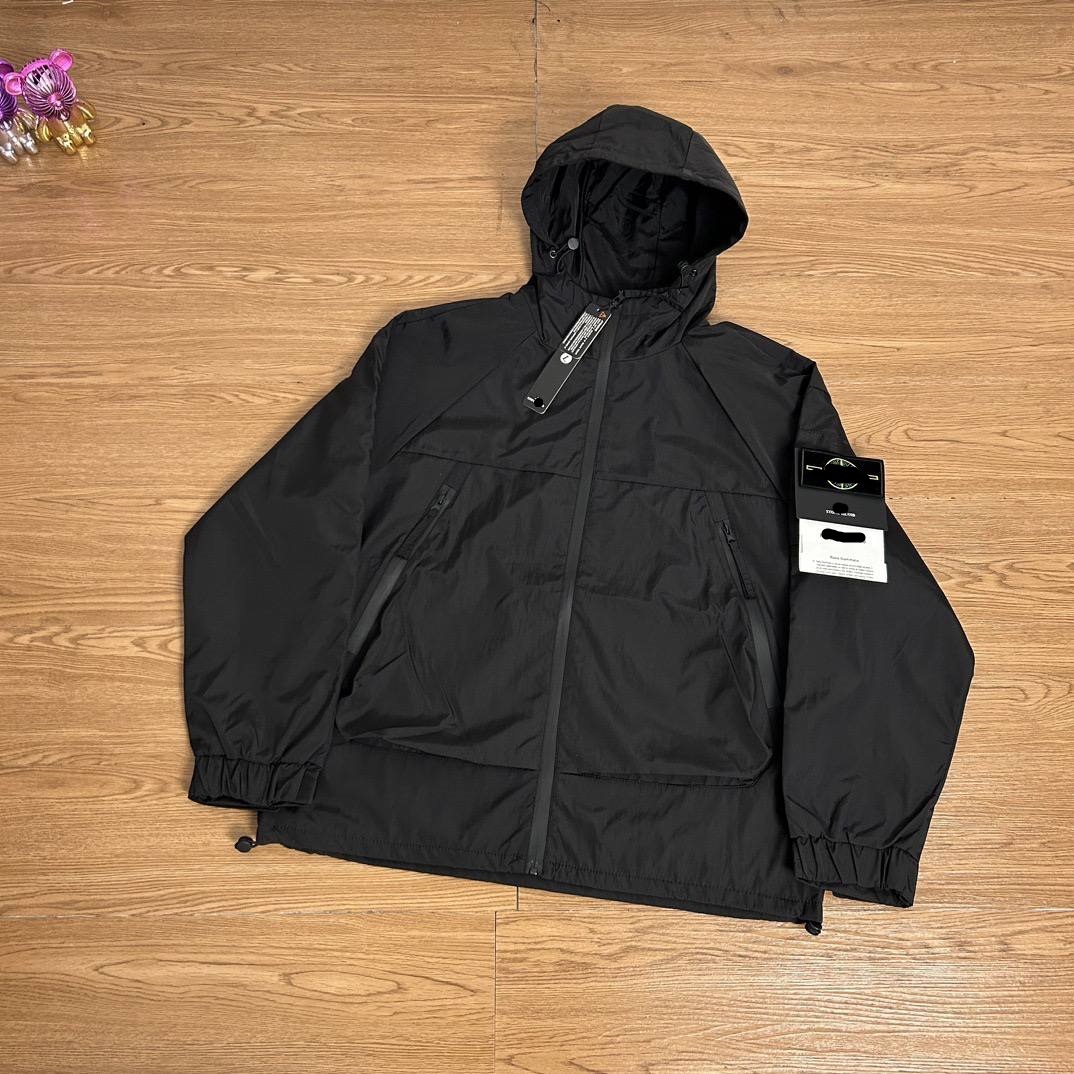
Imagine an index row titled 'black zip hoodie' with a front image showing a full zip and two pockets. The final page now says 'pullover sweatshirt.' Its default image still resembles the saved thumbnail, but the option list contains only pullover colors and no zip version. Product family overlaps, yet the defining closure and intended option conflict. The correct result is remove or suspend, not shortlist.
Now consider a row titled 'grey running shoe' whose destination uses a translated title, a new studio background and the same source identifier. The selected grey option shows the same sole geometry and size range, while the live page clearly presents a single pair. That record can pass the identity gate, with the new final URL and check date saved. The method accepts harmless presentation changes while rejecting transactional differences.
Recheck at the handoff to ordering
A shortlist is dated evidence, not a reservation. Reopen the destination immediately before transferring the link or selecting the item in the live Joyagoo workflow. Compare product identity and the exact color, size and quantity with the saved record and the order summary. If the platform cannot retrieve the source normally, follow only current official DIY instructions and treat every manually entered detail as buyer-supplied information that requires an extra review.
Take a fresh decision snapshot: final URL, option labels, quantity, visible product-stage price and China domestic-freight field if shown. These commercial details are outside the narrow title-thumbnail test, but they determine whether the already-matched candidate is ready for payment. A consistency pass from yesterday cannot justify ignoring a changed option or price today.
Keep the index useful after a failure
When a row fails, record whether the problem was title conflict, thumbnail conflict, destination redirect, missing option or unavailable page. Send a stale-listing report with the row location, input URL, final URL, expected identity, observed identity and date. Exclude login tokens, private order details and unsupported seller claims. A precise report lets an editor reproduce and correct the route without exposing buyer data.
Only restore the row after a complete new pass. A replacement URL receives its own product ID, title snapshot, thumbnail check, option record and verification date. The final output is one of four clear actions—shortlist, review, suspend or remove. That is the value of Joyagoo listing checks: they turn three imperfect discovery clues into a documented pre-purchase decision without promising anything the evidence cannot prove.