Make the shortlist affordable before it reaches the warehouse
A spreadsheet can make an inexpensive product easy to find while leaving its delivery cost invisible. Before buying several Joyagoo finds, decide what you can spend on the whole order and reserve room for the parcel stage. A low product price does not establish a low delivered cost. Shoes with boxes, bulky jackets and rigid accessories can affect a parcel differently even when their prices are similar. This guide helps compare candidate purchases before money is committed.
Create one row per exact variant, with quantity, product price, currency, domestic freight, estimated item weight, packaging notes and the date checked. Keep estimates visibly separate from values confirmed by a seller or warehouse. An unknown weight is not zero. Mark it unknown, ask for useful information or test a wider planning range. The spreadsheet becomes more useful when it exposes uncertainty instead of presenting an incomplete total as a bargain.
Separate product costs from parcel costs
Use separate lines for goods, seller-to-warehouse delivery, optional services, international shipping and any destination charges that apply under the current terms. Record discounts only when their conditions are confirmed for the transaction. Do not subtract an advertised coupon from every item or assume that a delivery promotion covers all routes. If two items share one domestic shipment, confirm how the charge is applied before assigning it twice or removing it entirely.
Keep calculations in a consistent currency, and record any conversion rate as an assumption rather than a guaranteed checkout rate. Payment conversion and service charges may make the amount you pay differ from a simple currency calculation. This worksheet is a purchasing comparison, not tax advice or a final invoice. Leave unresolved destination charges as a separate open line and consult the relevant official information before committing to a parcel.
Estimate weight and space as different inputs
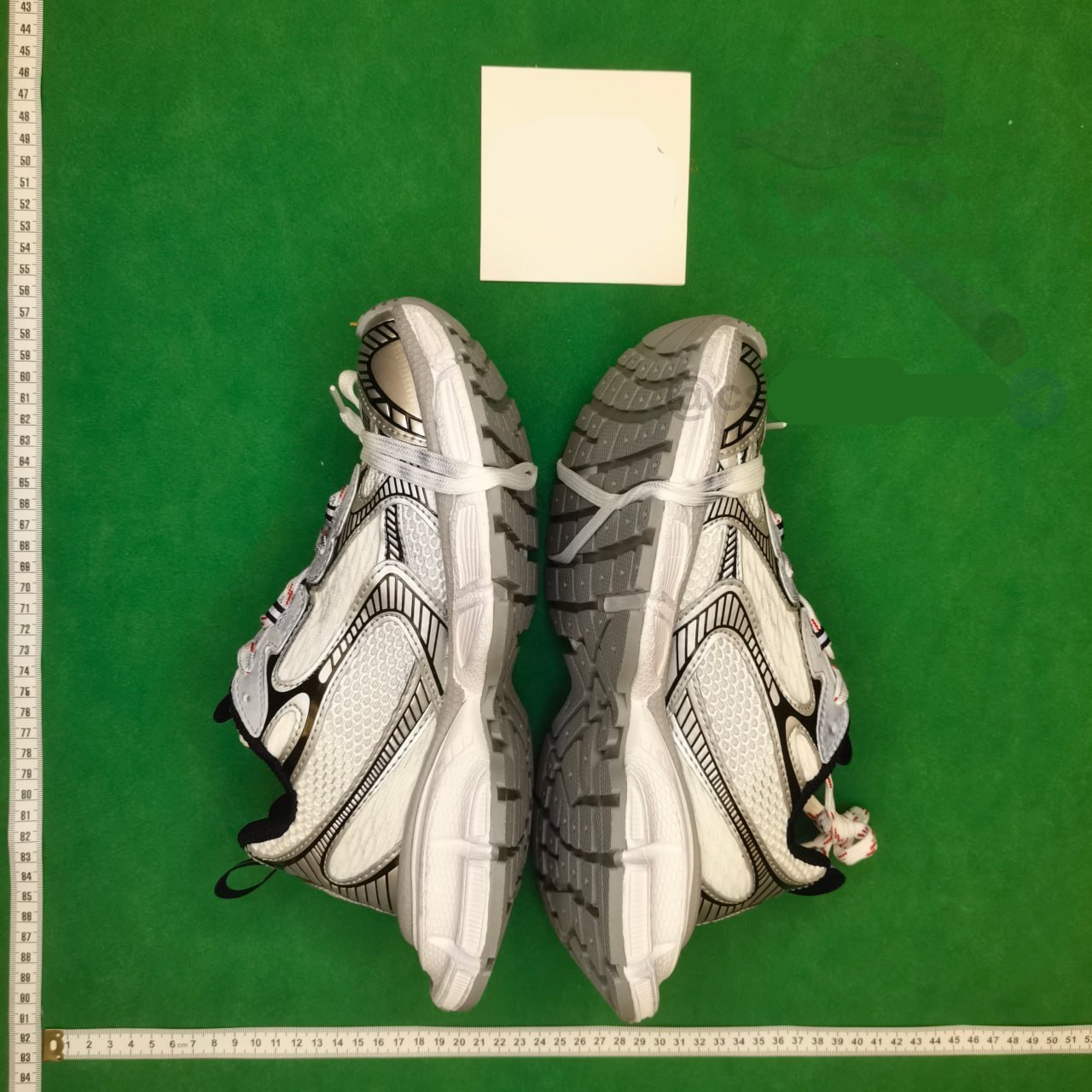
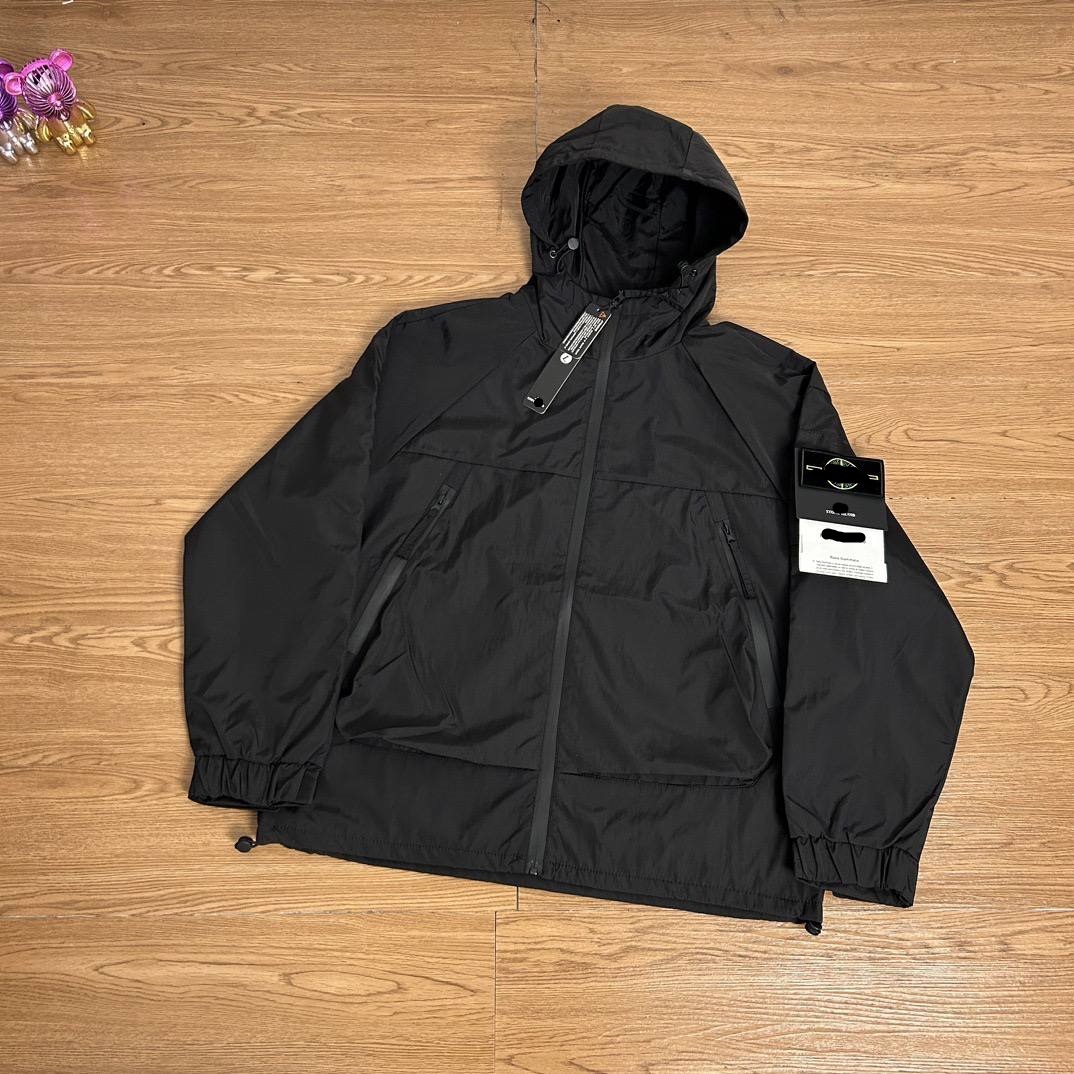
Item weight is only the starting point. The outer carton, retail boxes and protective material can add weight and increase dimensions. Record whether a candidate needs its box for protection, whether a rigid component prevents compact packing and whether removing packaging would create a risk you are unwilling to accept. Do not treat the smallest imaginable parcel as the default scenario. It may be physically unrealistic or unsuitable for the item.
For planning, keep both packed mass and outside dimensions. Some routes use the greater of actual and volumetric weight; the divisor and billing increments depend on the route. A general volume calculation multiplies length, width and height and divides by the specified divisor using the required units. It is a comparison input, not the complete shipping price. The live quote can also depend on destination, restrictions, service options and applicable surcharges.
Work through a hypothetical two-scenario example
Suppose a shortlist contains goods totaling 360 CNY, confirmed domestic freight of 24 CNY and a planning allowance of 30 CNY for optional work. The subtotal before international shipping and destination charges is 414 CNY. The 30 CNY allowance is an invented budget assumption, not an official service fee. Do not hide it inside a product price: keeping it separate makes it easy to replace with the real charge when that becomes known.
Now suppose the packed parcel weighs 2.8 kg and measures 35 × 25 × 20 cm. With an illustrative divisor of 6,000, volumetric weight is about 2.92 kg. A bulkier 40 × 30 × 25 cm arrangement gives 5 kg using the same divisor, even if mass stays 2.8 kg. A route that bills the larger value would therefore have different weight inputs for the two scenarios, before its own rounding rules. Neither result is a monetary shipping quote.
Use the live estimator to test the assumptions
Enter the intended destination and the best available parcel information into the current official estimator. Check that the product type and available lines are appropriate for the actual contents. Record the estimate date, route name, weight method, dimensions entered and any conditions shown. Run the normal and bulkier scenarios using comparable settings. Comparing different destinations or different product restrictions can make the apparent saving meaningless.
If the hypothetical normal scenario produces quote A and the bulkier scenario quote B, your planning totals are 414 CNY plus A and unresolved destination charges, or 414 CNY plus B and those charges. Use the actual quoted currency and convert consistently when needed. Do not invent A and B from a universal cost-per-kilogram figure. A route may have a first-weight charge, later increments or thresholds that prevent a straight multiplication from matching its real quote.
Compare adding, removing and replacing one item
Test the effect of the least certain product. If a bulky accessory forces a larger carton, compare the shortlist with and without it. The difference between those estimates is more useful than dividing total shipping equally across every item. A small soft item may use spare space, while one rigid box can change the parcel's entire shape. Record the assumptions behind each comparison so a later warehouse measurement can explain the difference.
Compare alternatives on the same basis: exact variant, required quantity, domestic freight and realistic packing. A cheaper seller price may lose its advantage if the option includes unnecessary packaging or requires a separate domestic shipment. Conversely, a more compact replacement may reduce the uncertain shipping range without changing your intended use. This is a budget decision based on your candidates, not a ranking of sellers or a claim that the cheapest route is always suitable.
Set a buying limit and update it after arrival
Choose a maximum acceptable total and a personal reserve for unresolved costs before paying for the products. The reserve should reflect the information you lack; no fixed percentage works for every order. If only the most optimistic packing assumption fits your budget, pause or reduce the shortlist. A robust plan still works when the final carton is somewhat larger or a service you actually need has a charge. Record which unknown would make you abandon the purchase.
After warehouse arrival, replace estimated item weights with the measurements available, finish the item review and update the parcel assumptions. Compare the live shipping options again before submission. Keep the old estimate for comparison, but use the new evidence for the decision. This closes the loop from product discovery to an affordable order and gives your next spreadsheet shortlist a better starting point without promising a fixed shipping price.
Compare packed weight and volume
Illustrative starting values. Enter your own measurements and the divisor shown by your chosen route.
This calculates weights, not a shipping price. It applies only when the route uses the larger value. Check its divisor, billing increments, eligibility and current quote.